Smart home technology has evolved far beyond novelty voice assistants and remote-controlled light bulbs. Today’s homebuyers and real estate appraisers look for comprehensive, integrated residential ecosystems that deliver tangible improvements in security, energy efficiency, structural longevity, and everyday comfort. When strategically executed, modernizing your property with high-tech systems does more than simplify daily routines—it significantly expands your home’s total market value and overall equity.
Achieving a maximum return on investment requires looking at property enhancement through a holistic lens. Rather than scattering isolated gadgets throughout a living space, forward-thinking homeowners align cutting-edge automation with foundational construction, exterior enhancements, high-efficiency utilities, and sound financial planning. By taking a structured, multi-phase approach to property improvement, you can transform your house into a high-performing asset that stands out in a competitive real estate market.
Maximizing Exterior Curb Appeal and Entry Security
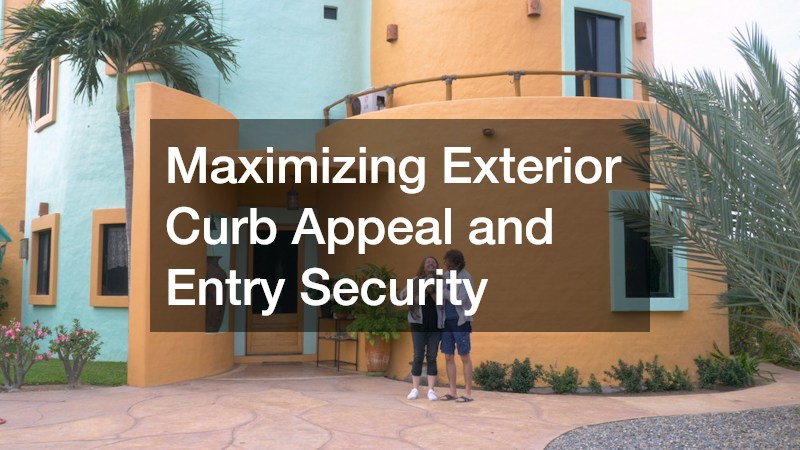
The exterior of your property is not just about aesthetic appeal; it fundamentally sets the tone for its entire market valuation. First impressions are critically important, with the exterior often suggesting the level of care and attention to detail found within the property. Modern buyers, looking for more than just curb appeal, increasingly favor homes that seamlessly combine robust physical perimeters with advanced, automated security features. The integration of automated entry systems with meticulously maintained exterior surfaces does more than promise functionality—it offers an immediate sense of luxury, safety, and modern sophistication. This combination appeals to discerning buyers who value both style and substance.
Automate and Secure Your Property Entry Points
Your garage is one of the primary entry and exit points to your residence, making its security and automation paramount in maintaining the overall safety of your home. By upgrading outdated overhead door mechanisms to modern, belt-driven openers, you achieve not only a whisper-quiet operation but also access to an array of advanced connectivity options. Such modern systems, integrated with smart controllers, afford you the luxury of monitoring, opening, and locking your doors remotely from anywhere across the globe via a smartphone application. This connectivity empowers homeowners with unparalleled convenience and peace of mind.
- Select openers are equipped with integrated HD cameras, two-way audio, and real-time motion alerts. These features transform your driveway into an actively monitored zone, providing an added layer of security by allowing you to visually and audibly confirm the identity of visitors or delivery personnel.
- Enhance convenience and security by configuring geo-fencing rules within your smart home ecosystem. This setup can ensure that entry gates and overhead doors automatically open as your vehicle approaches, welcoming you seamlessly while ensuring that they close securely behind you, maintaining a protective barrier to intruders.
- For optimal operation, establish a relationship with a certified vendor who specializes in garage door repair and maintenance and repair. Routine balance checks, track alignments, and spring tensioning help ensure that your automated motors are never strained by mechanical friction, preventing untimely breakdowns and prolonging the life of your equipment.
- Maximize security and convenience by setting up temporary, time-sensitive access codes for delivery personnel or home service providers. This eliminates the traditional, less secure practice of hiding physical keys outside, ensuring that only authorized individuals can gain access for specific, time-bound tasks.
Smart Pavement and Driveway Management
A well-maintained driveway plays a crucial role in enhancing the overall aesthetic appeal of your home. A driveway that is neglected and shows signs of wear and tear, such as crumbling edges and water damage, can immediately detract from your property’s curb appeal. Moreover, it may raise concerns about potential deferred maintenance issues when it comes to home inspections.
- Consider installing discrete ground moisture and temperature sensors along the margins of your driveway. These advanced sensors provide early notifications if they detect conditions conducive to freezing or the accumulation of excess water. By addressing these environmental factors promptly, you can prevent damage before it occurs, thereby saving costs and maintaining the integrity of your driveway structure.
- It is equally important to establish a regular maintenance schedule that includes periodic seal-coating and the filling of structural cracks. This can be achieved using high-quality asphalt compounds designed to offer superior protection. Such compounds help safeguard the underlying base layers of your driveway from the harsh effects of freeze-thaw cycles and the pressure imposed by heavy vehicles passing over them.
- Consider enhancing the safety and aesthetic value of your driveway by installing low-voltage LED accent lighting paired with smart motion detectors. These innovative lighting solutions automatically illuminate the entry pathways in response to movement, creating a dynamic and inviting approach to your property.
Transforming Hidden Lower-Level Square Footage
Expanding the usable, conditioned square footage of a home is one of the most reliable ways to increase its overall valuation. Lower levels and basements often represent vast, underutilized space that, when properly renovated and automated, can be converted into premium living quarters, state-of-the-art media rooms, or dedicated work-from-home suites.
Environmentally Controlled Smart Living Zones
Subterranean spaces present unique environmental challenges, particularly regarding humidity, ambient temperature, and flood risk. Transforming these areas into functional living space requires integrating smart climate management systems with high-quality structural construction.
- Deploy wireless leak detection sensors near foundation walls, water heaters, and perimeter sumps to receive instant push notifications at the first sign of moisture.
- Install smart, battery-backed sump pump systems that execute self-testing routines and report pump health directly to your mobile device.
- Enlist specialized basement renovation services to properly frame, insulate, and vapor-seal subterranean concrete before running low-voltage wiring, smart drywall solutions, and subfloor heating systems.
- Utilize smart dehumidifiers linked to automated climate hubs to maintain relative indoor humidity below fifty percent automatically, preventing mold growth and protecting sensitive electronics.
Whole-Home Structural Additions and Smart Layouts
When adding new square footage or altering existing floor plans to accommodate smart living, embedding technological infrastructure during the rough-in construction phase yields the cleanest results and highest long-term valuation. Retrofitting smart technology after walls are closed is significantly more expensive and less clean.
- Run dedicated conduit alongside high-grade Cat6a Ethernet cabling throughout new wall framing to ensure high-speed, hardwired data backbones for bandwidth-heavy devices.
- Work alongside an experienced custom home builder who understands how to integrate concealed smart panels, recessed ceiling mounts, and automated shade pockets directly into structural framing.
- Design a dedicated, climate-controlled mechanical utility closet to house central network switches, audio amplifiers, smart home bridges, and uninterrupted power supplies out of public view.
Efficient Energy Management and Smart Power Solutions
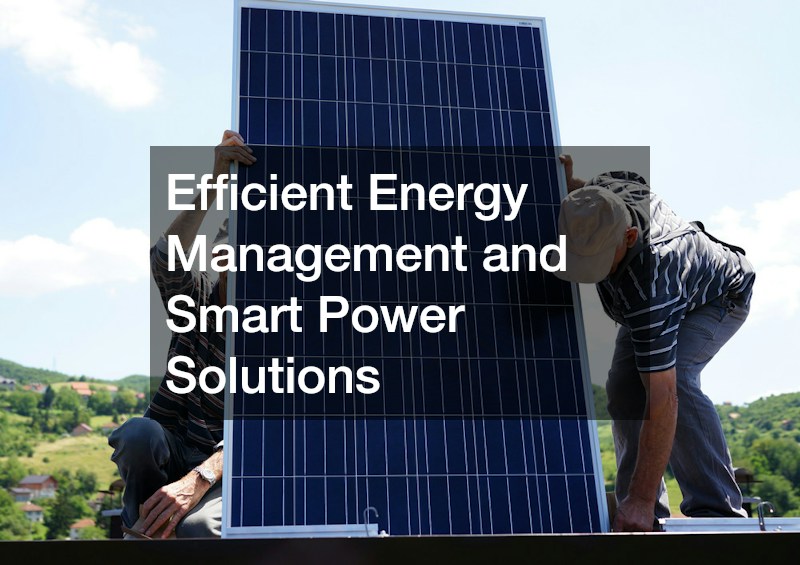
Energy independence and power resilience are becoming major selling points for contemporary real estate. Homeowners who integrate smart grid management, backup power capabilities, and resource-efficient landscape systems enjoy lower monthly utility bills and greater peace of mind during grid instabilities.
Off-Grid Backup and Intelligent Energy Systems
Power outages can disrupt smart home security, climate control, and environmental protection systems like sump pumps. Installing intelligent backup generation coupled with smart automatic transfer switches ensures your home remains operational during municipal power failures.
- Install automatic transfer switches that detect power loss within milliseconds and smoothly transition critical household circuits to auxiliary power sources without resetting smart home controllers.
- Contract with a local propane service to install below-ground storage tanks fitted with cellular smart meters that automatically notify fuel suppliers when reserves drop below designated thresholds.
- Integrate your standby generator system with a central monitoring dashboard to receive regular auto-exercise reports, maintenance alerts, and real-time fuel consumption telemetry.
- Combine fuel-based generation with rooftop solar panels and smart battery storage systems to create a hybrid microgrid capable of optimizing energy usage based on peak utility pricing schedules.
High-Efficiency Outdoor Grounds and Irrigation Automation
Extending smart control into your outdoor living spaces elevates both the aesthetic appeal and water efficiency of your grounds. Legacy sprinkler timers often run regardless of weather conditions, wasting thousands of gallons of water annually and over-saturating expensive plants.
- Replace traditional timer-based controllers with smart irrigation systems that analyze hyper-local weather forecasts, atmospheric humidity, and real-time soil moisture content to adjust watering schedules automatically.
- Partner with a commercial landscaping company to design multi-zone outdoor environments using native plant species, low-flow drip lines, and high-efficiency zoning tailored to microclimates on your property.
- Install smart flow meters on main irrigation lines to automatically shut off water distribution and alert you if an underground pipe ruptures or a valve sticks open.
High-End Glass Enhancements and Natural Lighting
Glass features play a double role in luxury residential design: they define architectural aesthetics while directly impacting the home’s thermal envelope. Upgrading window assemblies, skylights, and interior glass partitions with smart materials maximizes natural light while maintaining high thermal efficiency.
Architectural Glass and Automated Climate Glazing
Modern architectural glass design emphasizes expansive sightlines and abundant natural daylight. However, unmanaged sunlight introduces solar heat gain and destructive ultraviolet rays that can fade hardwood floors and furniture.
- Incorporate electrochromic or smart-tint glass solutions in large window walls or hard-to-reach skylights, allowing you to adjust glass opacity from clear to fully shaded using mobile apps or automated schedules.
- Collaborate with custom glass companies to engineer frameless interior glass enclosures, wine display rooms, and custom floating staircases that allow natural light to penetrate deep into interior floor plans.
- Program automated interior and exterior window shades to lower automatically during peak afternoon sun, significantly reducing HVAC cooling loads without sacrificing natural ambient illumination.
Precision Window Sealing and Smart Thermal Inspections
Even the most advanced HVAC systems lose efficiency if your property’s thermal boundary is compromised by air leaks or failed glazing units. Maintaining airtight seals around all glass features preserves indoor air quality and stabilizes ambient temperatures.
- Perform annual thermal imaging audits around all window perimeters and sliding glass assemblies to detect micro-gaps, insulation voids, and thermal bridging.
- Engage comprehensive glass services to repair compromised double- or triple-pane seals, replace degraded inert argon gas layers, and install high-performance low-emissivity glass packages.
- Install wireless contact sensors discreetly inside custom window frames to alert your automation system if windows are left open while heating or cooling systems are actively running.
Strategic Financing and Asset Protection

Executing broad home upgrades requires careful capital management and legal foresight. Smart home investments should be treated as dynamic financial assets that require structured funding mechanisms and comprehensive legal protection to ensure their value transfers seamlessly to your estate or future buyers.
Leveraging Equity for High-ROI Smart Renovations
Funding high-impact smart home modernizations does not require liquidating personal cash reserves. Utilizing structured real estate financing allows you to leverage existing property equity to fund high-ROI property improvements that immediately boost overall market value.
- Consult with a knowledgeable home loan service to evaluate competitive financing options, such as Home Equity Lines of Credit, cash-out refinances, or specialized green energy renovation loans.
- Prioritize capital allocation toward upgrades that carry certified energy efficiency ratings, as these often qualify for local utility rebates, tax credits, and lower interest rates on specialized financing products.
- Maintain meticulous financial records of all capital improvements, keeping receipts, permit approvals, and contractor invoices to adjust your property’s cost basis for tax benefits upon sale.
Protecting Smart Home Equity and Asset Transfer
As your property accrues value through physical and technological modernizations, protecting that equity becomes a paramount responsibility. Ensuring that all home infrastructure, warranties, and legal titles are properly structured safeguards your financial legacy.
- Work alongside an estate attorney to place your upgraded property into a revocable living trust or appropriate legal entity, protecting your equity from complex probate proceedings.
- Compile a comprehensive digital home manual that documents network topologies, equipment serial numbers, warranty terms, and service provider contacts to ensure smooth management transitions for heirs or buyers.
- Ensure legal agreements contain specific clauses detailing the transfer of digital home administrator privileges, software accounts, and smart subscription services alongside physical property titles.
Using This Guide for Smart Home Upgrades
Building real long-term value in modern real estate requires moving past piecemeal technological additions. The most successful property transformations occur when homeowners combine intelligent automation with structural integrity, premium architectural finishes, efficient utilities, and sound financial protection. Every system within the house—from the subterranean foundation and thermal envelope to the driveway entry and energy grid—should work together as a unified, high-performing asset.