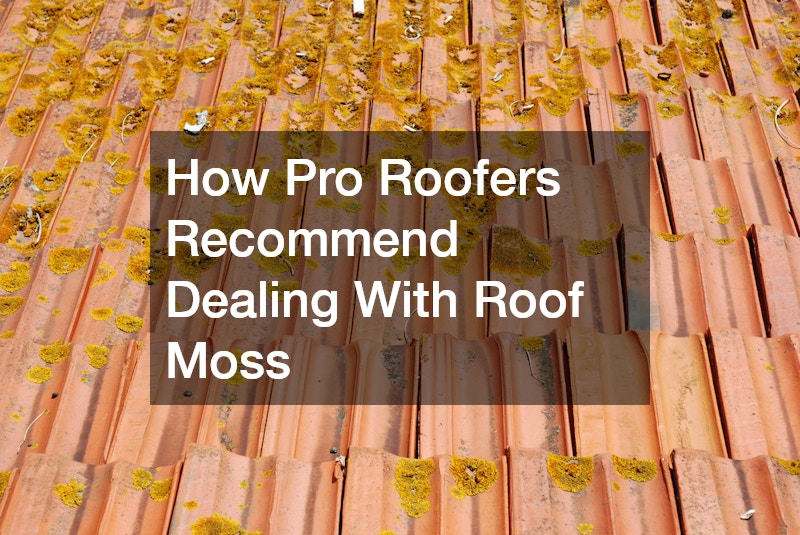
Moss might look harmless at first glance, but on a roof, it can quietly lead to costly damage if ignored. Homeowners often notice the green patches spreading along shingles without realizing the long-term impact on moisture retention and structural integrity. Professional roofers emphasize that dealing with moss early is the key to preserving both the appearance and lifespan of your roof.
Understanding Why Moss Grows on Roofs
Moss thrives in damp, shaded environments, which makes many residential roofs an ideal habitat. Areas beneath overhanging trees or sections that receive limited sunlight tend to stay moist longer after rainfall.
This creates the perfect conditions for moss spores to settle and grow, especially on asphalt shingles that can trap moisture over time.
As moss develops, it forms a dense layer that acts like a sponge. Instead of allowing water to run off efficiently, it holds moisture against the roofing material. Over time, this persistent dampness can weaken shingles, leading to curling, cracking, or even premature failure. What begins as a cosmetic issue can quickly evolve into a structural concern.
Another factor contributing to moss growth is debris buildup. Leaves, twigs, and dirt accumulate in roof valleys and gutters, retaining moisture and encouraging moss to spread. Without regular maintenance, these areas become breeding grounds that accelerate the problem.
Roofing professionals often point out that the climate also plays a significant role. Regions with frequent rainfall or high humidity levels naturally experience more moss growth. Understanding these environmental triggers helps homeowners take preventive measures before the issue becomes severe.
Safe and Effective Moss Removal Methods
When it comes to removing moss, roofers strongly advise against aggressive techniques that can damage roofing materials. Pressure washing, for example, may seem like a quick solution, but it can strip away protective granules from shingles and force water beneath them. This can lead to leaks and costly repairs.
Instead, a gentler approach is recommended. Soft brushing combined with specialized cleaning solutions is often the most effective method. These solutions are designed to kill moss at its root while minimizing harm to the roof. Once the moss is treated, it can be carefully removed without compromising the integrity of the shingles.
Timing also matters when addressing moss. Removal is best done during dry conditions to ensure safety and effectiveness. Wet roofs are slippery and increase the risk of accidents, making professional assistance a safer option for many homeowners. Roofing experts have the proper equipment and experience to handle these conditions efficiently.
In some cases, chemical treatments can be applied to prevent regrowth. Zinc or copper-based products are commonly used, as they create an environment that discourages moss from returning. These treatments can be installed near the roof ridge, allowing rainwater to distribute the protective elements across the surface.
Preventing Future Moss Growth
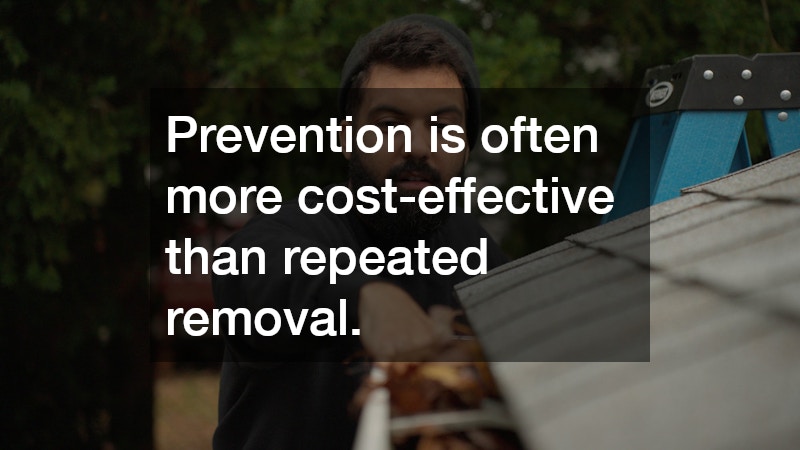
Prevention is often more cost-effective than repeated removal. One of the most effective strategies is improving sunlight exposure. Trimming back overhanging branches allows more sunlight to reach the roof, helping it dry more quickly after rain. This simple step can significantly reduce the likelihood of moss taking hold.
Regular roof maintenance also plays a crucial role. Keeping gutters clean and removing debris prevents moisture buildup in key areas. Homeowners who schedule periodic inspections are more likely to catch early signs of moss and address them before they spread.
Another preventive measure involves improving roof ventilation. Proper airflow helps regulate temperature and moisture levels, making the environment less hospitable for moss growth. This is particularly important in attic spaces, where poor ventilation can contribute to excess humidity.
Roofing contractors often recommend routine inspections as part of a long-term maintenance plan. By identifying vulnerabilities early, homeowners can take proactive steps to protect their roofs. Investing in preventive care not only extends the life of the roof but also reduces the likelihood of expensive repairs down the line.
Dealing with roof moss requires a combination of timely removal and consistent prevention. While it may seem like a minor issue at first, moss can lead to significant damage if left untreated. By understanding why it forms, using safe removal methods, and taking proactive steps to prevent regrowth, homeowners can protect their investment and maintain the integrity of their roofs. When in doubt, consulting experienced roofers ensures the job is handled safely and effectively, providing peace of mind and long-lasting results.