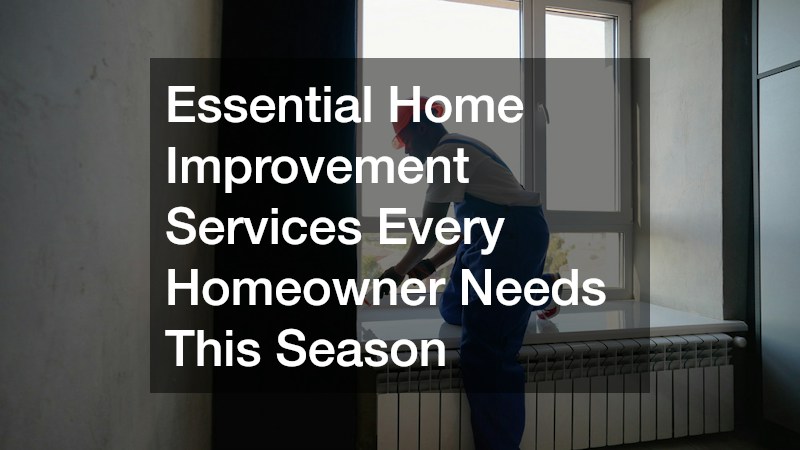
Maintaining a home is a continuous process that changes with every shift in the weather. Seasonal transitions bring specific challenges to a property’s exterior, interior, and foundational systems. Staying ahead of these demands requires a proactive approach to household care rather than reacting to sudden breakdowns or emergency repairs. When routine maintenance is deferred, minor wear and tear quickly escalates into severe structural damage, compromised indoor air quality, and astronomical utility costs.
Taking a holistic approach to seasonal property care means balancing aesthetic curb appeal with essential mechanical performance and structural integrity. By auditing your property’s primary systems before extreme hot or cold weather sets in, you protect your long-term real estate equity while creating a safer, more comfortable living environment. This comprehensive guide outlines the critical professional services every homeowner should prioritize this season to keep their property operating at peak efficiency.
Protecting Your Home’s Envelope and External Structure

The exterior envelope serves as your primary defense against rain, snow, wind, and ambient temperature fluctuations. Over the course of a year, changing weather conditions test the resilience of your roofline, structural framing, and external trim. Inspecting and fortifying these elements before severe weather arrives ensures your interior spaces remain completely sealed and insulated.
Roofline Assessments and Preventive Care
Your roof bears the brunt of every storm, temperature surge, and freeze-thaw cycle. Over time, asphalt shingles lose their protective granules, organic debris collects in roof valleys, and metal flashings pull away from chimneys and vent stacks. Scheduling a detailed professional checkup allows a trained inspector to identify subtle signs of deterioration, such as micro-cracks around skylights or hidden moisture pooling beneath underlayment.
When evaluating your overhead coverage, pay attention to these critical areas:
- Granule accumulation in gutters, which signals that asphalt shingles are reaching the end of their operational lifespan.
- Curled, lifted, or missing shingle tabs that expose the underlying wood decking to wind-driven rain.
- Inadequate attic ventilation, which traps excess heat and humidity during warm months and causes destructive ice dams during cold weather.
Addressing these issues promptly prevents moisture from penetrating the attic space, where it can rot roof rafters and ruin ceiling insulation. Partnering with a licensed residential roofing specialist ensures that all repairs meet local building codes and withstand local wind loads.
Timber Construction and Post Support Care
Heavy structural wood components add immense architectural character and strength to porches, entryways, decks, and interior vaulted spaces. However, exposed beams and heavy structural posts require regular attention to resist rot, insect infestation, and surface checking caused by rapid humidity changes.
- Examine exposed posts for deep cracking, fungal growth, or signs of wood-boring pests.
- Ensure that all structural wood posts rest on elevated metal bases rather than direct soil or concrete to eliminate ground moisture wicking.
- Apply high-performance, UV-resistant penetrative sealants to keep natural wood fibers flexible and water-repellent.
Whether your home features traditional heavy post-and-beam features or decorative exterior trusses, ensuring their structural stability is vital. Professional tradespeople skilled in timber framing can assess structural load points, install concealed steel reinforcements, and apply heavy-duty protective finishes that preserve both safety and rustic beauty.
Revitalizing Outdoor Living and Curb Appeal
Your outdoor living spaces contribute significantly to your property’s total usable square footage and market value. As seasons transition, the soil shifts, plants go through distinct growth cycles, and outdoor surfaces accumulate organic debris. Investing in professional landscape care ensures your yard remains healthy, functional, and visually appealing year-round.
Hardscaping and Drainage Adjustments
A thriving yard requires far more than basic lawn mowing. Proper grade management and structural hardscaping prevent heavy rainfall from collecting near your foundation walls or flooding lower-level living spaces.
Key outdoor management priorities include:
- Re-grading flower beds and perimeter soil so that ground slope drops at least six inches over the first ten feet away from the foundation.
- Clearing sediment out of catch basins, French drains, and dry creek beds to handle heavy seasonal runoff.
- Installing structural retaining walls to stabilize steep slopes, eliminate soil erosion, and create flat, usable terraced gardens.
Working with experienced landscape contractors allows you to design custom outdoor environments that drain correctly, incorporate native plant species, and feature durable walkways, fire pits, and seating areas tailored to your lifestyle.
Soil Health and Root Zone Protection
Harsh environmental conditions take a heavy toll on plant root systems. Unprotected soil bakes under direct summer sunlight, causing moisture to evaporate rapidly and the ground to crack. In cold weather, uninsulated soil subjects delicate roots to severe frost heave.
Protecting your botanical investment involves specific soil management practices:
- Laying a thick, uniform layer of organic ground cover across flower beds, around trees, and over garden pathways.
- Selecting high-grade organic materials that break down over time, continually enriching the underlying soil with essential micro-nutrients.
- Supplying a protective layer around tree trunks while keeping material several inches away from the bark to prevent fungal rot.
Buying garden materials in bulk directly from a reputable mulch supplier guarantees you receive clean, weed-free, and pest-free organic matter that insulates soil temperatures, suppresses competitive weed growth, and keeps plant beds looking neatly tailored.
Deep Exterior Cleaning and Property Surface Care
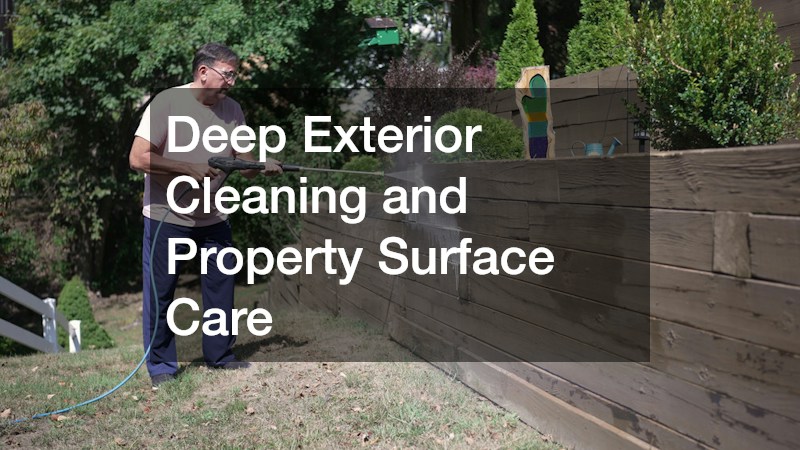
Exterior surfaces collect layers of atmospheric soot, pollen, tree sap, algae, and bird droppings throughout the year. Beyond looking unsightly, organic buildup holds moisture against building materials, accelerating decay, paint failure, and masonry erosion.
Deep Surface Restoration Techniques
Driveways, stone patios, brick walkways, and exterior siding require thorough cleaning every few seasons to eliminate deep-seated staining and slick organic growth. However, applying incorrect pressure settings to delicate building materials can cause irreversible etching, wood gouging, or water intrusion behind siding panels.
- Driveways and concrete sidewalks benefit from high-pressure rotary surface cleaners that pull up embedded oil stains and tire marks.
- Wood decks, composite boards, and painted trim require soft-washing techniques using specialized detergent solutions rather than high pressure.
- Brick mortar and natural stone require carefully calibrated water pressure to avoid washing away joint sand or destabilizing historic masonry.
Hiring a trained pressure washing company guarantees that your property’s hard surfaces are thoroughly sanitized and restored without damaging delicate exterior finishes, windows, or surrounding vegetation.
Underground Waste System Diagnostics
Out of sight and out of mind, your home’s underground liquid waste management system works continuously to process household drainage. Failing to maintain this utility can result in catastrophic backups into lower-level living spaces, ground contamination, and structural foundation damage.
Key system diagnostic checks include:
- Measuring scum and sludge layers within the main holding tank to determine if pumping is required.
- Checking the condition of inlet and outlet baffles to prevent floating solids from escaping into the absorption field.
- Inspecting the drain field area for surface pooling, unusually lush grass growth, or persistent sewage odors.
A comprehensive septic inspection performed by an environmental technician identifies micro-fractures in tank walls, mechanical pump defects, and lateral line blockages early, saving you thousands of dollars in emergency line clearing or system replacement costs.
Optimizing Critical Mechanical and Entry Systems
Modern homes rely on complex mechanical networks to deliver indoor thermal comfort, automated access, and daily security. Because these systems run on mechanical components subject to constant friction, electrical wear, and thermal expansion, routine maintenance is essential to prevent sudden operational failure.
Climate Control Efficiency
Your central cooling system works hard during peak thermal windows to keep indoor temperatures comfortable and humidity levels low. When dust, leaves, and outdoor debris clog heat transfer coils, the system must work harder, raising electric bills and putting extra stress on the compressor.
Essential climate control tune-ups cover several steps:
- Cleaning the outdoor condenser fins and removing leaf litter around the base of the condensing unit.
- Flushing the indoor evaporator coil condensate drain line to prevent water overflows that damage surrounding drywall and flooring.
- Testing system electrical draws, capacitor health, and refrigerant charge levels to ensure peak cooling delivery.
When your system stops blowing cold air or starts making unusual grinding noises, scheduling a prompt AC repair prevents small component failures from destroying the main compressor motor.
Garage Entry Safety and Security
The overhead garage door is typically the largest moving mechanical component on your property. Operating under high tension, these heavy door assemblies rely on precise balance, intact cables, and clean track alignments to function smoothly and safely several times a day.
Daily operational safety requires specific checks:
- Testing the electronic auto-reverse safety sensors using a physical block placed in the door path.
- Inspecting high-tension torsion springs and lifting cables for fraying, rust, or metal fatigue.
- Replacing cracked bottom weather seals and side vinyl jamb seals to block drafts, rain, and rodents.
Because high-tension springs store enough kinetic energy to cause serious injury, DIY repairs are never recommended. Requesting professional garage door repair ensures that springs are safely wound, cables are properly tensioned, and track assemblies are aligned according to manufacturer specifications.
Enhancing Interior Comfort, Safety, and Layout

While exterior upkeep keeps the elements at bay, interior improvements directly enhance daily living quality, functional efficiency, and family health. Upgrading internal utilities and optimizing room layouts transforms how your home feels and operates on a day-to-day basis.
Whole-House Water Purification
Municipal water supplies and private wells often contain trace minerals, chlorine, chemical byproducts, microplastics, and heavy metals. These contaminants affect the taste and clarity of your drinking water, accelerate scale buildup inside water heaters, and shorten the lifespan of household plumbing fixtures.
Comprehensive water quality steps include:
- Conducting a multi-point water test to identify specific total dissolved solids, hardness levels, or chemical contaminants.
- Installing whole-house carbon block filtration units to strip out chlorine taste and chemical vapors at the point of entry.
- Adding point-of-use reverse osmosis systems at kitchen sinks to deliver pristine drinking and cooking water.
Integrating a high-efficiency home water filtration system protects your plumbing infrastructure, extends appliance service life, and provides your entire family with safe, clean, and great-tasting water from every faucet in the house.
Interior Space Modernization
As lifestyle needs evolve, room layouts often require functional updates. Updating outdated floor plans, expanding kitchens, or creating modern primary suites allows you to customize your living space to better suit your changing daily routines.
- Removing non-load-bearing partition walls to create open-concept living spaces that allow natural light to filter deep into the interior.
- Reconfiguring kitchen work triangles, adding island prep stations, and installing custom cabinetry to optimize storage.
- Upgrading bathrooms with curbless tile showers, waterproofing membrane systems, and high-efficiency dual-flush fixtures.
Partnering with an established home remodeling contractor ensures that layout modifications respect load-bearing walls, comply with local building and electrical codes, and seamlessly merge old construction with high-end modern finishes.
Master Seasonal Maintenance Schedule
To keep track of multiple home improvement tasks without feeling overwhelmed, create a structured maintenance matrix. Grouping projects by priority, season, and trade discipline makes budgeting manageable and ensures critical safety checks happen on time.
Prioritization and Budgeting
When building your home maintenance budget, set aside approximately one to two percent of your property’s total market value each year for routine upkeep and minor component replacements. Allocate these funds across three main categories:
- Immediate Safety Concerns: Fixing active plumbing leaks, repairing high-tension garage springs, and replacing faulty electrical breakers.
- Preventative Maintenance: Servicing HVAC equipment, inspecting septic tanks, and applying sealants to exposed wood.
- Property Upgrades: Refreshing landscape design, modernizing kitchen layouts, and installing whole-house water filtration.
Contractor Vetting Checklist
When hiring trade specialists for major seasonal projects, protect your financial investment by following a consistent vetting protocol:
- Licensing & Insurance: Request proof of active general liability insurance and workers’ compensation coverage.
- Written Estimates: Obtain detailed, itemized bids breaking down labor, materials, permit fees, and payment schedules.
- References & Portfolios: Review real project galleries and contact past clients to verify work ethic, timeline accuracy, and cleanliness on site.
Taking care of your home requires consistent attention, seasonal awareness, and the help of skilled trade professionals. By prioritizing critical exterior repairs, maintaining heavy mechanical utilities, and updating interior living spaces on a structured schedule, you eliminate emergency repair stress and protect your property’s value for years to come. Take time this season to walk your property, identify key priority areas, and build a maintenance strategy that keeps your home running smoothly through every season.