Owning a home brings both pride and responsibility. From protecting your investment to ensuring comfort and safety, maintaining and repairing key systems is crucial. Many homeowners struggle to prioritize maintenance tasks, often responding only when problems arise. This reactive approach can lead to expensive repairs, structural damage, and unnecessary stress.
Proactive home management focuses on long-term functionality, efficiency, and safety. By implementing a structured approach, homeowners can avoid emergencies, extend the lifespan of their systems, and enhance overall property value. Effective maintenance encompasses plumbing, landscaping, tree care, driveways, exterior structures, and essential interior systems. A combination of professional services and DIY upkeep ensures that the home remains safe, efficient, and visually appealing.
This guide provides actionable strategies for maintaining and upgrading your home across multiple areas. From plumbing solutions and water heater upkeep to lawn care, hardscaping, and tree management, every section offers tips that homeowners can apply immediately. Following these strategies will help you create a home that is resilient, functional, and prepared for the future.
Assessing Your Home’s Maintenance Needs

A systematic evaluation of your home is the foundation of smart maintenance. By understanding where issues may arise, homeowners can prioritize improvements, allocate resources effectively, and prevent costly surprises. Comprehensive inspections should cover both interior and exterior components, tracking problem areas and monitoring changes over time.
Creating a maintenance checklist and logging recurring issues ensures nothing is overlooked. This record can also serve as a reference for professional contractors, simplifying communication and reducing mistakes during repairs or upgrades. Expanding on this, homeowners should also consider seasonal challenges, such as ice dam formation, leaf accumulation in gutters, and soil erosion near foundations.
Actionable Steps for Home Assessment:
- Walk through each room and exterior area, noting wear, leaks, cracks, or water stains.
- Examine plumbing, HVAC, roofing, and electrical systems for performance or damage issues.
- Take photos of critical problem areas for documentation and future reference.
- Track seasonal concerns, such as drainage, irrigation, and roof condition after storms.
- Schedule professional inspections for water heaters, plumbing lines, and structural systems.
- Keep a home maintenance journal to record service dates, repairs, and observed issues.
- Prioritize problem areas based on safety, cost, and potential for further damage.
A well-documented assessment provides clarity, helps prioritize maintenance tasks, and allows homeowners to make informed decisions about repairs and upgrades. This upfront effort saves time, reduces unnecessary expense, and prevents small issues from escalating into costly problems.
Proactive Plumbing Maintenance and Emergency Preparedness
Plumbing systems are essential to home functionality, and neglect can lead to major water damage. Preventive maintenance is critical to ensure pipes, drains, and water heaters operate efficiently. Small leaks or slow drains often indicate underlying issues that may escalate without attention.
Understanding when to schedule routine service versus calling for an emergency plumber can save time, money, and stress. Emergencies like a backed up sewer or burst pipe require immediate professional intervention, while minor issues can often be addressed through scheduled plumbing services. Regular system checks also allow homeowners to evaluate water pressure, identify corroded pipes, and monitor potential sewer blockages before they become significant.
Tips for Plumbing Maintenance:
- Inspect pipes and joints for corrosion, leaks, or low water pressure.
- Schedule regular checkups with local water heater repair services to maintain optimal efficiency.
- Keep the contact information for emergency plumbers handy for unexpected issues.
- Avoid chemical drain cleaners, which can worsen blockages and damage pipes.
- Flush water heaters periodically and check valves and pressure settings.
- Clean aerators and showerheads to prevent mineral buildup and maintain water flow.
- Know the location of shutoff valves and ensure all household members can operate them.
Maintaining plumbing systems proactively reduces the risk of emergencies and prolongs the life of your fixtures, offering peace of mind and steady daily water flow. A mix of DIY vigilance and professional oversight provides a complete safety net.
Optimizing Lawn and Garden Care

Healthy lawns and gardens not only enhance curb appeal but also contribute to the overall efficiency and safety of your property. Maintaining soil health, plant growth, and proper irrigation prevents long-term damage and reduces maintenance costs.
Professional lawn care services offer seasonal care, fertilization, and pest control, while landscaping companies can handle more complex design and planting needs. A proactive approach also considers plant selection, water-efficient irrigation, and seasonal pruning schedules. Mulching beds, aerating soil, and removing invasive weeds contribute to a thriving landscape that complements the home’s structural features.
Actionable Lawn and Garden Tips:
- Mow, edge, and aerate your lawn regularly to maintain healthy grass.
- Schedule seasonal fertilization and irrigation adjustments for optimal growth.
- Partner with landscaping companies for large projects or complex designs.
- Trim and prune plants to prevent overgrowth and protect structural elements.
- Incorporate drought-resistant species to save water and reduce maintenance.
- Rotate plantings and beds for seasonal color and long-term soil health.
- Inspect irrigation systems for leaks, clogs, or broken sprinklers.
Routine attention to lawn and garden areas prevents problems like soil erosion, water pooling, and overgrowth, maintaining both beauty and functionality. Properly maintained outdoor spaces also increase home value and reduce potential liabilities from damaged or overgrown vegetation.
Enhancing Outdoor Spaces with Hardscaping
Hardscaping elements such as patios, walkways, retaining walls, and driveways are critical to both aesthetic appeal and functionality. Proper maintenance prevents safety hazards, protects landscaping, and adds value to your home. Inspecting surfaces and scheduling repairs ensures long-term usability.
Engaging hardscape companies or asphalt driveway companies provides expertise in materials, installation, and durability, reducing the likelihood of costly mistakes. Using the right materials and construction techniques ensures longevity, prevents shifting, and maintains a clean, professional appearance. Consider decorative features such as retaining walls, integrated seating, and accent lighting to combine practicality with beauty.
Hardscaping Tips for Homeowners:
- Inspect driveways, walkways, and patios for cracks, uneven surfaces, or erosion.
- Schedule resurfacing or asphalt driveway repairs with professional companies.
- Add retaining walls, steps, or planters to enhance drainage and aesthetics.
- Ensure proper slope and grading to prevent water accumulation.
- Coordinate hardscape additions with landscaping for cohesive outdoor spaces.
- Pressure wash surfaces periodically to remove moss, stains, and debris.
- Seal or coat materials to protect against weather damage and UV exposure.
Combining professional installation with routine inspections maintains safety, improves visual appeal, and maximizes the lifespan of outdoor hardscaping. Thoughtful design choices also enhance functionality for entertaining, outdoor living, and accessibility.
Tree Care and Landscape Management
Trees are vital to your home’s aesthetic, shade, and environmental quality, but they require regular attention to remain healthy and safe. Neglected trees can cause property damage, obstruct sunlight, or interfere with utility lines. Regular inspections and proper maintenance reduce risks and improve longevity.
Local tree service professionals can prune, remove dead branches, or address diseases before they threaten structural integrity. Strategic tree planting can enhance privacy, improve energy efficiency by shading your home, and reduce soil erosion. Combining professional expertise with homeowner vigilance ensures trees remain healthy and attractive while minimizing risks.
Tree Care Tips:
- Inspect trees for dead branches, cracks, or signs of disease.
- Schedule pruning with a local tree service to prevent hazards.
- Remove fallen debris promptly to maintain safety and aesthetics.
- Plant new trees thoughtfully to avoid interference with structures or utilities.
- Mulch around tree bases to conserve moisture and prevent weeds.
- Monitor for insect infestations or fungal diseases and treat promptly.
- Maintain proper spacing to ensure trees don’t overcrowd each other or infrastructure.
Regular tree maintenance enhances safety, strengthens property value, and contributes to a balanced landscape that complements your home’s overall design.
Maintaining Driveways and Exterior Surfaces
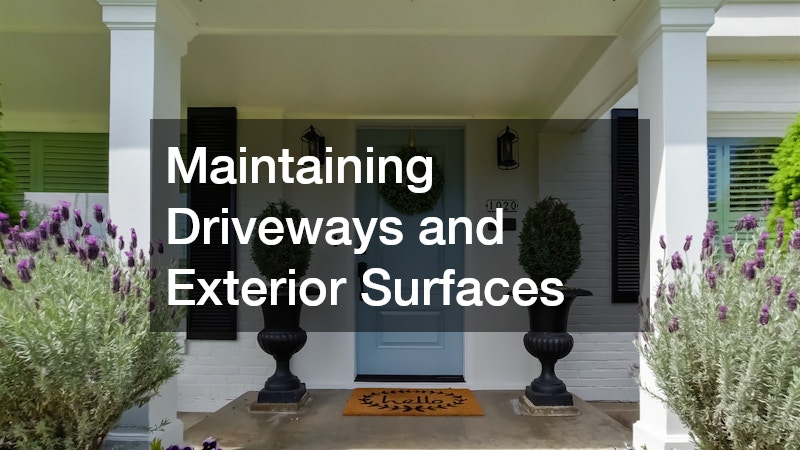
Driveways and exterior paved surfaces are high-traffic areas that endure weather, vehicle weight, and wear over time. Cracks, potholes, and uneven surfaces can create safety hazards and diminish curb appeal. Regular upkeep, repair, and resurfacing extend their lifespan and improve functionality.
Asphalt driveway companies and other professionals offer expertise in installation, repair, and resurfacing techniques that maximize durability. Small cracks should be addressed quickly to prevent spreading, while complete resurfacing may be appropriate for aging driveways. Coordinating repairs with surrounding landscaping ensures proper drainage and visual harmony.
Driveway and Surface Maintenance Tips:
- Inspect driveways for cracks, erosion, or pooling water.
- Seal minor cracks to prevent worsening damage and water infiltration.
- Schedule resurfacing with a professional asphalt driveway company when needed.
- Maintain edges and borders to prevent grass or weeds from encroaching.
- Ensure proper grading to avoid water accumulation near foundations.
- Clean surfaces regularly to remove debris, stains, or moss.
- Coordinate maintenance with landscaping for cohesive property aesthetics.
Proactive maintenance preserves safety, prevents costly repairs, and enhances curb appeal, ensuring that your driveway and other exterior surfaces remain functional and visually appealing.
Coordinating Multiple Upgrades for Maximum Value
Coordinating interior and exterior upgrades ensures that each project complements the other, creating a unified and efficient home. Strategic scheduling reduces downtime, improves contractor efficiency, and maximizes budget allocation. Thoughtful planning allows for better decisions regarding material selection, design cohesion, and long-term functionality.
By addressing multiple areas simultaneously—such as plumbing, tree care, driveways, and landscaping—homeowners can minimize disruptions and create a more seamless renovation experience. Professionals can help identify dependencies, such as landscaping near new driveways or water lines, before hardscape installation. Coordinating upgrades also allows for bulk scheduling of inspections, preventative maintenance, and seasonal adjustments, which can further reduce costs.
Tips for Coordinating Multiple Upgrades:
- Map out all desired projects and prioritize based on safety, cost, and impact.
- Schedule professionals strategically to avoid overlap and inefficiency.
- Combine structural improvements with cosmetic upgrades for maximum effect.
- Align exterior projects like driveways, landscaping, and tree care for cohesive outcomes.
- Monitor progress across multiple contractors to maintain timelines and quality standards.
- Budget for contingencies to cover unexpected discoveries during renovations.
- Document all improvements for future reference and resale value.
Coordinated renovations ensure that investments complement one another, enhance overall home performance, and deliver maximum aesthetic and functional value. This holistic approach reduces stress, improves results, and ensures your home evolves in a cohesive and efficient manner.
Routine System Maintenance
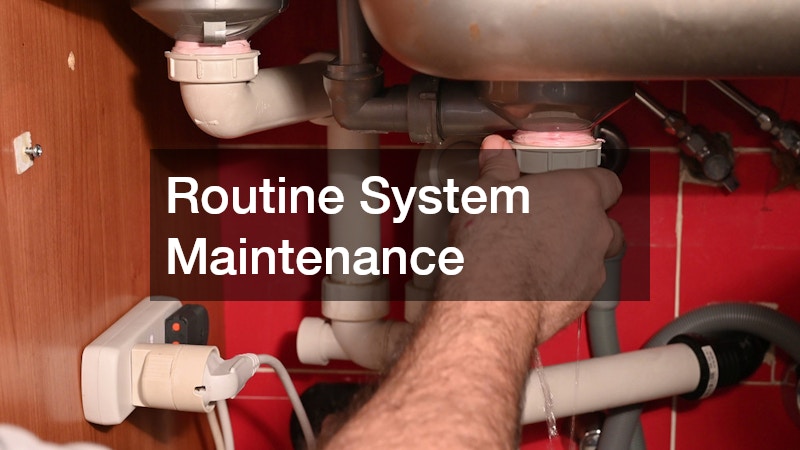
Routine inspections and preventive care are crucial to extending the lifespan of critical home systems. Mechanical, electrical, and plumbing systems benefit from regular checkups, cleaning, and timely repairs. Ignoring routine maintenance increases the likelihood of breakdowns, reduces efficiency, and escalates repair costs.
Engaging plumbing companies and residential plumbers for scheduled inspections, as well as local water heater repair professionals, ensures that water and heating systems operate at peak efficiency. HVAC systems, electrical circuits, and other essential infrastructure also require consistent attention. Proper documentation of maintenance schedules helps homeowners anticipate replacement needs and maintain service warranties.
Routine Maintenance Tips:
- Schedule regular inspections for plumbing with residential plumbers.
- Flush and test water heaters to maintain efficiency and prevent corrosion.
- Inspect pipes, valves, and drains for leaks or signs of wear.
- Check HVAC filters, ductwork, and performance seasonally.
- Monitor for slow drains or sewer backups and address promptly.
- Maintain detailed records of service dates, repairs, and contractor visits.
- Incorporate preventive measures, like water softeners or surge protectors, where needed.
Routine maintenance keeps systems functional, reduces emergencies, and preserves long-term efficiency. Combining professional expertise with homeowner vigilance ensures reliability, comfort, and cost-effective operation.
Smart strategies for home maintenance and repairs protect investments, improve safety, and enhance comfort. From plumbing and water heaters to tree management, driveways, hardscaping, and landscaping, proactive upkeep prevents emergencies, extends lifespan, and maximizes value. Combining professional services with thoughtful DIY care ensures that both interior and exterior systems operate optimally.
Coordinating multiple upgrades strategically allows homeowners to achieve a cohesive, functional, and visually appealing home environment. Scheduling inspections, maintaining detailed records, and performing preventive maintenance ensures long-term efficiency, reduces unexpected costs, and strengthens overall property resilience. By addressing both immediate repairs and long-term improvements, homeowners create a safer, more comfortable, and more attractive home.
Implementing these smart strategies empowers homeowners to make informed decisions, optimize budgets, and enjoy a living space that is efficient, functional, and visually appealing. Consistent care, professional collaboration, and strategic long-term planning help transform maintenance tasks into deliberate, high-value investments, creating a home that stands the test of time, supports daily living, and maintains high market value while improving overall quality of life.