The Complete Homeowner Guide to Sustainable Systems and Surface Care
Maintaining a modern residence is an exercise in balancing immediate comfort with long-term structural viability. For the contemporary homeowner, the goal of property management has shifted from reactive “fixing” to a proactive philosophy of “optimization.” This transition requires a comprehensive understanding of how individual components—from the drainage lines buried beneath the foundation to the protective layers of the roof—work in tandem to create a sustainable living environment. By adopting a systematic approach to surface care and mechanical maintenance, you can ensure that your home remains an efficient, high-performing asset rather than a source of persistent stress.
This guide provides a professional-grade roadmap for auditing and maintaining the ten most critical zones of your property. By evaluating these areas through a lens of sustainability and preventative care, you can identify minor vulnerabilities before they escalate into structural failures. Whether you are focused on the mechanical systems that regulate your indoor climate or the heavy-duty surfaces that define your property’s exterior, these strategies offer the high-impact “fixes” necessary to protect your investment and enhance your daily quality of life for decades to come. By the end of this deep dive, you will have the knowledge required to transform your home into a model of efficiency and durability.
Establishing a Resilient Exterior Shell from Above
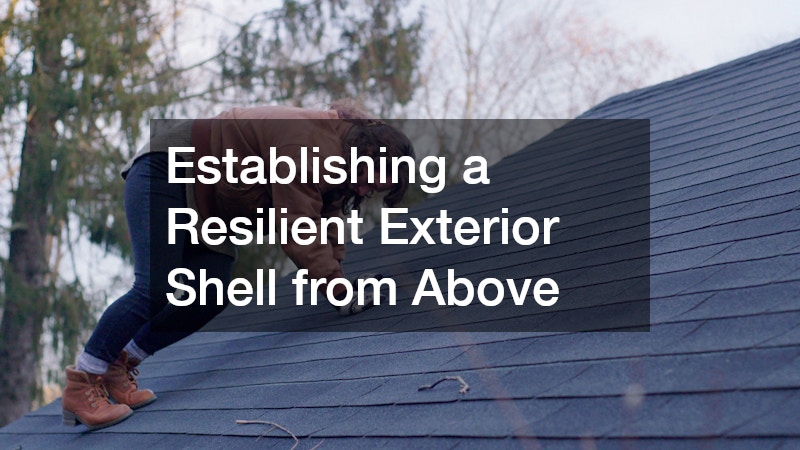
The roof is the most vital component of your home’s protective envelope, serving as the primary barrier against moisture, thermal gain, and environmental debris. A sustainable approach to roofing begins with regular inspections that look for more than just missing shingles; it involves checking for “blistering,” “granule loss,” and the integrity of the underlying decking. When these signs of wear appear, it is essential to consult with local roofers who understand the specific climate challenges of your region. By addressing minor flashing issues or replacing a small section of damaged underlayment early, you can avoid the massive energy waste associated with wet insulation and the high cost of a premature full replacement.
Furthermore, a truly sustainable roof is one that is maintained for maximum longevity. Beyond just fixing leaks, you should ensure that your attic ventilation is functioning correctly to prevent heat buildup, which can “bake” shingles from the inside out. When the time eventually comes for a more significant intervention, engaging local roofing contractors allows you to explore modern, reflective materials or sustainable shingles that offer better thermal performance. These experts can help you transition from a standard roof to a high-performance system that lowers your home’s overall carbon footprint while significantly increasing its market value and structural resilience. A well-ventilated and insulated roof is the ultimate “hack” for lowering cooling costs in the summer.
Maintaining Subsurface Infrastructure and Drainage Integrity
Beneath the aesthetic surfaces of your home lies a complex network of waste management lines that are often “out of sight and out of mind” until a catastrophic failure occurs. A sustainable home requires a healthy drainage system to prevent soil contamination and foundation damage. Regular inspections of your main line are crucial, especially in older properties where tree roots or shifting soil can cause “bellies” or cracks in the pipe. Utilizing professional sewer services for a camera inspection can reveal these hidden issues before they result in a hazardous backup. Proactive cleaning of these lines prevents the buildup of fats, oils, and “flushable” wipes that can lead to costly municipal repairs and environmental hazards.
In addition to the main lines, the internal health of your home’s water flow depends on the clear passage of smaller drains. Over time, hair, soap scum, and mineral deposits restrict flow and put unnecessary pressure on your plumbing joints. While many homeowners reach for harsh chemical cleaners that can corrode pipes and damage the local water table, the smarter, more sustainable “fix” is professional drain cleaning. This mechanical removal of obstructions ensures that your pipes remain at their full diameter, reducing the workload on your water heater and preventing the slow leaks that often lead to hidden mold growth behind your walls and cabinetry. A clear drain is a silent protector of your home’s interior finishes.
Optimizing the Internal Aquatic Environment and Efficiency
The bathroom is the most resource-intensive room in the house, consuming the vast majority of your daily water and energy for heating. A sustainable home audit should focus on how this space can be updated for both luxury and efficiency. If your current fixtures are leaking, or if the layout is causing moisture to be trapped in the walls, it might be time to contact a local bathroom remodeling company. Modern renovations focus on “green” upgrades, such as low-flow toilets, aerated faucets, and high-efficiency showerheads that reduce water waste without sacrificing pressure. These upgrades are essential “fixes” that pay for themselves through significantly lower utility bills over the long term.
Beyond the aesthetics of a remodel, the technical health of your bathroom depends on the quality of the underlying mechanical work. Small, persistent drips from a faucet or a “running” toilet can waste thousands of gallons of water per year. This is where the reliability of professional plumbers becomes indispensable. By ensuring that all valves are seated correctly and that the water pressure entering the home is regulated to prevent “water hammer,” these experts protect your expensive new fixtures from premature wear. A well-maintained bathroom is the cornerstone of a sustainable household, combining modern efficiency with the durability required for a high-moisture environment that could otherwise lead to structural rot.
Managing Complex Residential Water Delivery and Pressure
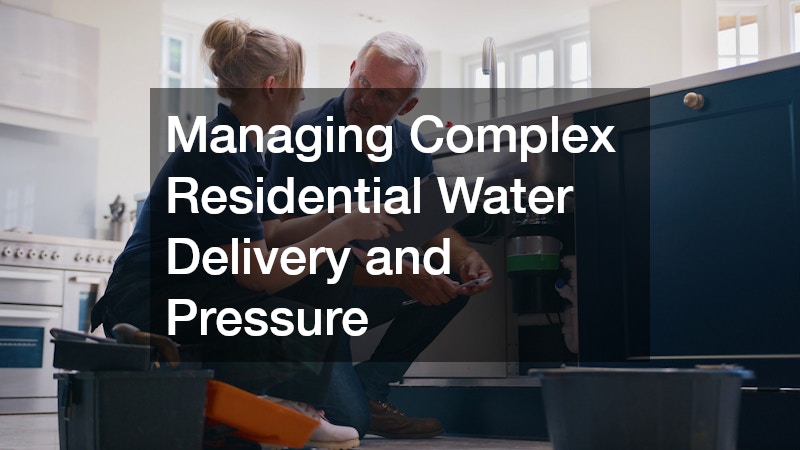
For homes that rely on internal plumbing systems for both potable water and sanitation, the complexity of the network requires high-level oversight of all connections and pressure points. A sustainable plumbing system is one that operates silently and efficiently, with no wasted energy or water. During your audit, check every visible junction in the basement or crawlspace for “pinhole” leaks or green oxidation, which indicates a slow, corrosive drip. Engaging a local plumbing contractor to perform a whole-home pressure test can identify leaks that are hidden deep within the floor joists or wall cavities. Fixing these invisible leaks is one of the most effective ways for reducing water waste and protect your home’s structural wood.
Maintaining this complex system also involves protecting the appliances that rely on it. Hard water can cause scale buildup in your water heater, reducing its efficiency and leading to a shorter lifespan. A professional plumbing audit can determine if a water softener or a “tankless” upgrade is the right move for your property. By ensuring that the water flowing through your home is properly treated and the delivery system is structurally sound, you create a sustainable infrastructure that supports all other areas of home life, from the laundry room to the kitchen sink, with minimal environmental impact and maximum reliability.
Regulating Thermal Efficiency through Mechanical Precision
The climate control system is the single largest consumer of energy in the modern home. Achieving sustainability in this area requires a balance of mechanical precision and proactive maintenance. If your air conditioner is struggling to maintain a consistent temperature, it is likely consuming far more electricity than necessary. Scheduling a regular ac service is the most effective way to ensure that the evaporator and condenser coils are clean and that the refrigerant levels are precisely where they need to be for optimal heat exchange. A clean system doesn’t just run better; it lasts longer, keeping expensive mechanical components out of landfills and reducing your monthly carbon footprint.
In addition to mechanical tuning, the sustainability of your HVAC system depends on the integrity of your home’s “air seal.” An audit should include checking the ductwork for gaps that allow conditioned air to escape into unconditioned spaces. When a professional technician services your unit, they can also evaluate your thermostat’s calibration and the condition of your blower motor. These small “fixes”—cleaning a sensor, lubricating a bearing, or sealing a duct joint—are the low-cost interventions that prevent the need for a high-cost system replacement. A sustainable home is a comfortable home, and a well-maintained cooling system is the heart of that comfort, especially during the peak of summer.
Preserving the Integrity of Ground-Level Concrete Surfaces
The exterior surfaces of your home, including your driveway, patio, and walkways, are the “foundation” of your property’s curb appeal and functional accessibility. These surfaces are subject to immense structural stress from vehicle weight and the freeze-thaw cycles of the seasons. A sustainable approach to surface care begins with choosing the right materials for the job. For areas requiring high durability and low maintenance, utilizing professional concrete services allows for the creation of permeable or high-reflectivity surfaces that manage stormwater runoff and reduce the “heat island” effect around your home. Properly poured and sealed concrete can last for half a century with minimal intervention.
However, even the strongest concrete requires an audit for cracks and settling. If water is allowed to pool against your home’s foundation because of a sinking walkway, it can lead to basement flooding and structural cracking. A sustainable fix involves “mud-jacking” or foam leveling to restore the proper grade. By preserving the existing concrete through targeted leveling and sealing rather than tearing it out and starting over, you save significant amounts of energy and material. A well-poured and maintained walkway or patio is a permanent asset that enhances the usability of your outdoor living spaces for a lifetime.
Sustaining Asphalt Surfaces through Proactive Sealing
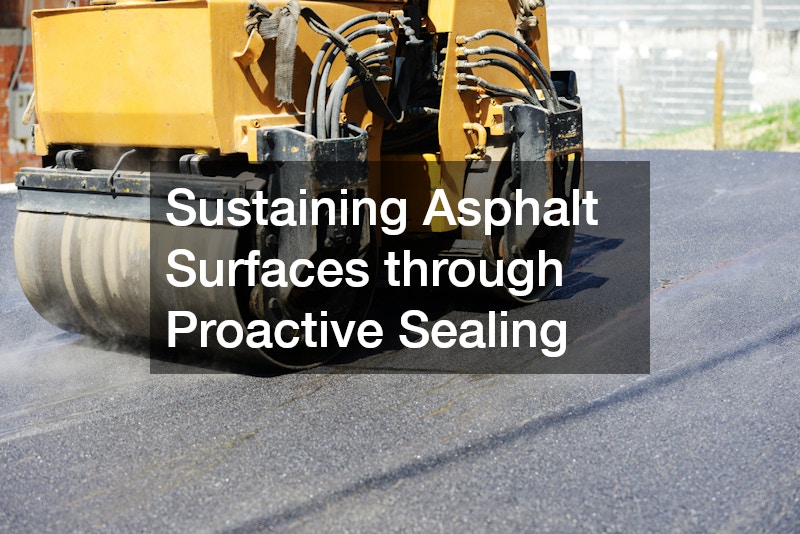
While concrete is ideal for many areas, many homeowners prefer the flexibility and aesthetic of a dark driveway. However, asphalt is a petroleum-based product that requires specific care to remain sustainable. The primary enemy of asphalt is oxidation from UV rays and water intrusion into the porous surface. Consulting with local asphalt contractors for regular sealcoating and crack filling is a high-value “fix” that prevents the need for a total tear-out and repave. By preserving the existing surface for as long as possible, you reduce the demand for new petroleum-based materials and ensure that your home’s exterior remains safe, smooth, and visually appealing.
An audit of your driveway should happen every spring. Look for “alligatoring”—small, interconnected cracks that resemble the skin of a reptile. This is a sign that the sub-base is failing. If caught early, a professional can patch these areas and apply a high-quality sealant that locks out moisture. Maintaining a dark, sealed driveway doesn’t just look good; it actually helps melt snow faster in the winter, reducing the need for corrosive de-icing salts that can damage your landscaping and local waterways. It is a win-win for both your property value and the local environment.
Protecting the Home from Structural Moisture Intrusion
Sustainability is ultimately about longevity, and nothing kills a home’s lifespan faster than moisture. Whether it is a leak in the roof or a gap in the siding, water must be managed with absolute precision. Your audit should include a deep dive into the “flashing” of the home—the metal pieces that bridge the gap between different surfaces, like the roof and a dormer. If the flashing is rusted or pulled away, water will find its way in. This is why working with experienced local roofing contractors is so vital; they have the technical skill to replace failing flashing and ensure that the most vulnerable points of your home’s shell remain watertight for decades.
Beyond the roof, check the “drip edge” at the bottom of your siding and the caulking around every window and door. If the caulk is brittle, it is no longer doing its job. Replacing old sealant is a low-cost “hack” that prevents high-cost structural repairs. A sustainable home is a dry home, and by meticulously auditing the “envelope” of your property every season, you ensure that the materials used to build your house—the wood, the insulation, and the drywall—remain protected from the elements and functional for the long haul.
Maximizing Utility through Professional Systems Oversight
The modern home is more than just a shelter; it is a complex machine that provides water, air, and security. To keep this machine running sustainably, you must move beyond the DIY mindset for critical systems. While you can certainly change a lightbulb or paint a wall, the technical health of your sewer and plumbing requires professional tools and expertise. Engaging sewer services for a routine hydro-jetting session can clear out years of buildup that a simple plunger cannot touch, ensuring that your home’s most essential waste-management system operates at peak capacity without the need for emergency excavations.
This professional oversight extends to every corner of the property. Whether you are consulting with plumbers about a tankless water heater or talking to an asphalt contractor about a new recycled-glass sealant, the goal is to make informed decisions that prioritize quality and sustainability over the “quick fix.” Every audit should result in a prioritized list of upgrades that move your home toward a more efficient future. By investing in professional inspections today, you avoid the waste and chaos of system failures tomorrow, creating a household that is truly optimized for the modern world.
The Holistic Integration of Systems and Surface Care
In a truly sustainable home, every component works in harmony. The roof sheds water into the gutters, which carry it away from the concrete walkways and asphalt driveway, protecting the foundation. The HVAC system regulates the air, while the plumbing system manages the water, both operating at peak efficiency to minimize waste. This holistic view of the home is the secret to successful property management. When you audit your home, don’t just look at the individual parts; look at how they interact. A leak in the bathroom (identified by a local plumbing contractor) might be causing high humidity that forces your AC unit to work harder, highlighting the interconnectedness of your household’s health.
This integrated approach also allows you to plan your improvements more strategically. If you are hiring a local bathroom remodeling company, that is the perfect time to have your plumbers check the main sewer line as well. If you are having local roofers install new shingles, consider adding solar-ready flashing or improved attic ventilation at the same time. By grouping these sustainable “fixes,” you reduce the number of service calls, lower your overall costs, and ensure that every upgrade contributes to the overall performance of the property. A smart house isn’t just one with a fancy thermostat; it’s one where every surface and system is intentionally cared for.
In conclusion, the journey toward a truly sustainable and well-maintained home is one of consistent observation and incremental improvement. By shifting your perspective from that of a passive dweller to that of an active asset manager, you ensure that your property remains a source of pride and financial security rather than a source of persistent stress. Completing a comprehensive audit across these ten critical zones—from the shingles on your peak to the drainage lines beneath your feet—allows you to prioritize repairs based on actual needs rather than reacting to emergencies.
This proactive approach not only saves significant amounts of money in the short term by preventing major system failures, but it also preserves the long-term structural integrity and aesthetic appeal of your home. When you take the time to inspect, evaluate, and upgrade each system systematically, you are doing more than just fixing pipes or painting walls; you are investing in the sanctuary where your life happens. Start your sustainability audit today, and enjoy the profound peace of mind that comes from knowing every surface and system in your home is optimized for excellence and built to last.