
Every month, millions of homeowners across the globe experience the often-painful reality of escalating utility bills. Although it might seem like the logical explanation is to blame external factors such as unpredictable weather patterns or fluctuating energy prices, the underlying truth frequently resides much closer to home. Within these households, numerous micro-inefficiencies quietly contribute to the wasted financial outlay. These may include structural drafts that allow costly heated or cooled air to escape and outdated, strained mechanical systems that operate well below peak efficiency. Such inefficiencies effectively siphon off money that could be better spent elsewhere. Unfortunately, many individuals view home maintenance as nothing more than a tedious burden, failing to realize the significant impact this oversight has on their finances. By reimagining home maintenance and well-thought-out, targeted upgrades as shrewd financial investments, homeowners can begin to harness a reliable return on investment that not only enhances their living environment but also bolsters their overall economic health.
In order to achieve substantial reductions in utility expenses, it is crucial to approach consumption through the lens of high-impact upgrades specifically designed to enhance efficiency by using less energy. This approach should be coupled with a steadfast commitment to preventive maintenance. Such practices are essential for ensuring that homes operate at optimal levels. When a home is running efficiently, it consumes less electricity, water, and fuel, thereby maintaining a comfortable living space without the excessive energy expenditure. Investing in cutting-edge technologies, such as energy-efficient appliances, advanced HVAC systems, and superior insulation, can significantly reduce the energy footprint of a home. Furthermore, routine maintenance checks to identify and rectify potential issues before they escalate can avert unnecessary energy waste and lead to long-term savings. By taking these thoughtful steps, homeowners not only enhance their environmental footprint but also enjoy a more manageable and predictable monthly expenditure.
How to Stop Overworking Your Heating and Cooling Systems

Heating and cooling historically account for more than half of the average residential energy bill. Because these systems shoulder the heaviest operational burden, even a slight drop in their mechanical efficiency can cause an immediate spike in your monthly fuel or electric costs. To regain control over these expenses, homeowners must focus on maximizing the output of their current units while knowing precisely when a total system replacement is the more financially sound decision.
A primary driver of astronomical winter heating bills is an aging, inefficient heating system. Standard equipment loses efficiency over time due to component wear, heat exchanger degradation, and outdated technology. If your heating system is over a decade old, planning for furnace replacements is one of the most effective long-term investments you can make. Modern systems feature variable-speed blowers and modulating gas valves that adjust heat output precisely to your home’s real-time needs, preventing the costly energy spikes associated with older units turning completely on and off throughout the day.
Simultaneously, summer cooling bills can be managed aggressively by focusing on seasonal component care. Neglecting seasonal tune-ups forces your cooling systems to run longer cycles to reach the desired thermostat setting, drastically shortening the equipment’s lifespan. Comprehensive ac services play a vital role here, ensuring that refrigerant charges are exact, electrical connections are tight, and condenser coils are entirely free of debris. When coils are caked with dirt, the system cannot efficiently reject heat to the outside air, forcing the compressor to consume excess electricity.
- Implement a strict filter schedule: Replace your system’s air filters every 30 to 90 days. A clogged filter creates restrictive static pressure, forcing fan motors to pull more current to move air through the home.
- Leverage smart thermostat zones: Program your thermostat to adjust by 7 to 10 degrees when the house is empty for the day. Reducing the duration of temperature maintenance cycles can save up to 10% annually on heating and cooling costs.
- Keep outdoor perimeters clear: Maintain at least two feet of clear space around your exterior condensing unit. Crowding the unit with landscaping, fencing, or storage restricts vital airflow and drives up internal operating temperatures.
Sealing the Structural Gaps That Drain Your Wallet
No matter how efficient your heating and cooling equipment is, it cannot save you money if your home’s structural shell is fundamentally compromised. Conditioned air naturally seeks to escape toward areas of different temperatures and pressures, a phenomenon known as the stack effect. In winter, warm indoor air rises and escapes through the top of the house, while pulling cold air in through lower levels. In summer, the reverse happens, turning your living space into a thermal battleground.
The attic space is the ground zero of residential energy loss. During the summer, radiant heat from the sun beats down on the roof, driving attic temperatures to extreme levels that radiate down through your ceilings. Investing in professional attic ventilation services resolves this issue by ensuring a continuous, passive exchange of air through a balanced system of soffit, ridge, or gable vents. Proper ventilation lowers ambient attic temperatures, keeping your living spaces cooler and taking a massive load off your air conditioning equipment.
Furthermore, a home’s upper defense system must remain completely watertight to preserve its insulation properties. Wet insulation loses its R-value entirely, allowing heat to transfer freely into or out of your home. Conducting timely roof repairs is a non-negotiable step in maintaining energy efficiency. Fixing compromised shingles, addressing flashing failures around chimneys, and sealing minor roof penetrations stops water from degrading fiberglass or cellulose insulation layers, ensuring your home’s thermal blanket remains intact year-round.
- Audit attic insulation depth: Ensure your attic insulation meets or exceeds regional recommendations. In most climates, this means having at least 12 to 15 inches of insulation to fully inhibit conductive heat transfer.
- Seal bypasses before insulating: Use expanding foam or silicone caulk to seal around recessed lighting fixtures, plumbing stacks, and electrical wires entering the attic from the living spaces below.
- Check soffit baffle integrity: Verify that insulation has not drifted over your soffit vents. Installing cardboard or plastic baffles guarantees that fresh air can freely enter the attic space to displace trapped heat and moisture.
Eliminating Hidden Friction and Waste in Your Pipes

Water consumption and water heating represent another massive chunk of domestic utility spending. Most homeowners only notice their plumbing systems when a catastrophic leak occurs, completely ignoring the slow, silent inefficiencies that inflate utility bills every single day. Managing water costs requires a dual focus on eliminating physical water waste and reducing the mechanical resistance within your delivery and drainage infrastructure.
When waste and organic material build up inside your home’s drainage system, it creates constant internal friction and sluggish flow dynamics. This restriction forces secondary systems, such as sump pumps, ejector pumps, and connected appliances, to operate under increased load and for longer durations. Scheduling regular drain cleaning services keeps the internal diameter of your waste lines clear, ensuring rapid, low-resistance fluid movement that preserves pump motors and prevents systemic backups that require costly emergency remediation.
Beyond drainage, the incoming delivery lines and water-consuming fixtures require strict vigilance. Minor, unaddressed leaks can silently waste thousands of gallons of water annually. Utilizing a professional plumbing service to perform comprehensive system audits is the most reliable way to catch hidden problems like failing pressure-reducing valves, pinhole line leaks, or degrading toilet flappers. Additionally, keeping your main water heater flushed of sediment ensures optimal heat transfer, preventing the burner or electric element from needing to run twice as long to heat the same volume of water.
- Perform regular dye tests on toilets: Place a few drops of food coloring into your toilet tank. If color appears in the bowl within 15 minutes without flushing, your flapper valve is leaking and wasting hundreds of gallons of water a week.
- Install low-flow aerators: Upgrade standard sink faucets and showerheads to high-efficiency, low-flow models. This simple switch can reduce water consumption by 30% or more without a noticeable loss in water pressure.
- Insulate your hot water pipes: Wrap the first six feet of exposed hot water pipe leading from your water heater with foam pipe insulation. This minimizes standby heat loss, allowing you to lower the water heater’s thermostat setting slightly.
Improving Mechanical Breathing Rooms for Lower Energy Drags
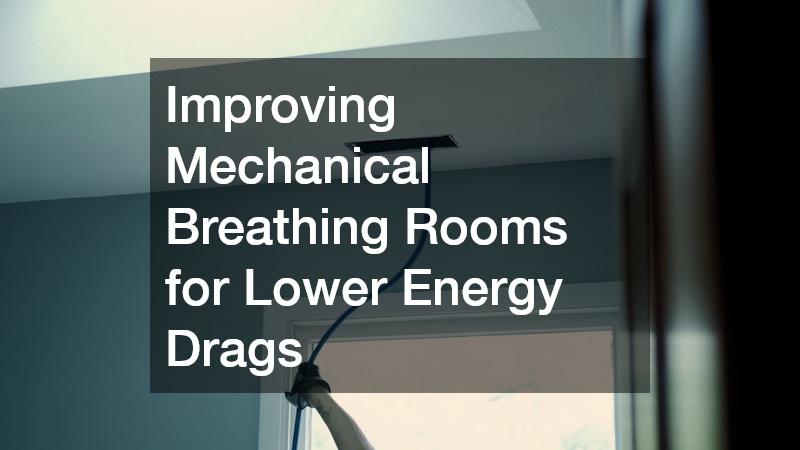
The internal network of your home acts much like a biological respiratory system. Air must be drawn in, conditioned, distributed, and returned smoothly. When this pathway encounters structural obstacles, blockages, or mechanical degradation, the system suffers from an immense energy drag, resulting in uneven temperatures and skyrocketed operational costs.
Over years of continuous operation, the internal surfaces of your supply and return plenums accumulate thick layers of dust, pet dander, construction debris, and microscopic particulates. This accumulation reduces the smooth velocity of air through the system. Hiring a certified air duct cleaner removes these restrictive barriers, restoring designed airflow metrics and allowing your system to distribute conditioned air with minimal mechanical resistance. Clean ductwork also prevents the premature fouling of expensive internal system components, such as the evaporator coil and blower motor.
Catching these distribution and mechanical issues early requires regular professional oversight rather than waiting for a complete system breakdown. Partnering with a reputable HVAC company for biannual maintenance contracts ensures that your entire distribution loop is operating in perfect harmony. Experienced technicians can check ductwork for costly seam separations, measure static pressure across the system, and calibrate variable-speed blowers to match your home’s exact layout, eliminating the wasted energy associated with poorly configured distribution loops.
- Seal duct joints with mastic: Inspect accessible ductwork in basements, crawlspaces, and attics. Seal all seams and joints with fiber-reinforced mastic paste or heavy-duty foil tape to prevent conditioned air from leaking into unconditioned spaces.
- Balance your registers: Do not fully close off more than 10% of your home’s register vents. Closing too many registers disrupts the system’s pressure balance, causing the blower motor to run hotter and consume more electricity.
- Test indoor humidity levels: Maintain indoor relative humidity between 30% and 50%. Air that is too humid feels warmer in the summer, tempting you to lower the thermostat unnecessarily, while dry winter air feels colder than it actually is.
Upgrading Transitions to Lock In Indoor Climates
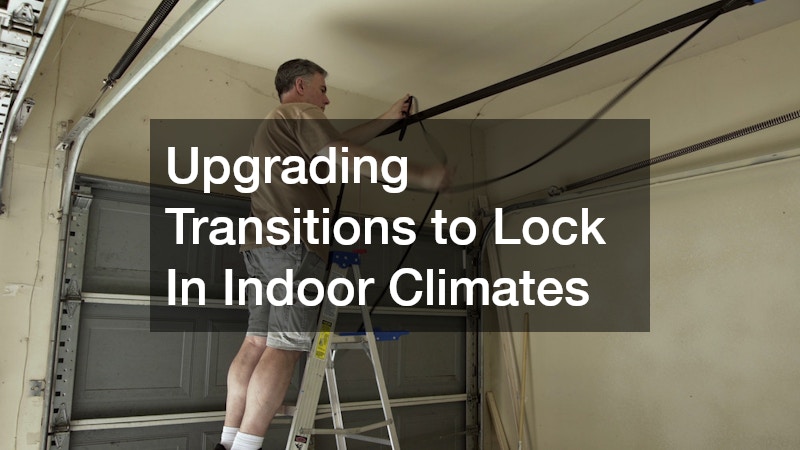
The final piece of the utility-savings puzzle lies at the ground level and peripheral boundaries of your property. Large entry points and foundational structures are notorious for serving as major thermal bridges, allowing outdoor temperatures to bleed directly into your climate-controlled living zones. Addressing these large-scale transitions completes your home’s efficiency shield.
The single largest moving wall on your property is your garage door. If you have an attached garage, an uninsulated or poorly sealed door allows freezing winter air or scorching summer heat to flood the garage space. This thermal extremity transfers directly through the shared interior walls and ceilings of your living spaces, causing nearby rooms to feel perpetually uncomfortable. A modern garage door installation featuring a high R-value polyurethane core and robust perimeter weather stripping creates an effective thermal buffer zone, dramatically lowering the heating and cooling demands of the adjacent living spaces.
Similarly, thermal energy can easily escape or penetrate through your floors, especially if your home sits on top of an uninsulated crawlspace or concrete slab. When remodeling or updating your home, visiting a quality flooring store allows you to explore advanced materials specifically engineered to assist with temperature regulation. Opting for floors paired with high-density acoustic and thermal underlayments provides a critical barrier against conductive heat loss, keeping your floors warmer to the touch in winter and reducing the need to turn up your central heating.
- Replace worn bottom seals: Check the flexible rubber seal at the bottom of your garage door regularly. If it is cracked, brittle, or showing gaps, replace it immediately to prevent cold drafts and moisture from entering the space.
- Utilize area rugs on cold surfaces: If you have stone or tile floors over concrete slabs, strategically place thick area rugs in high-traffic zones during the winter months to add an extra layer of temporary insulation.
- Check the thresholds of exterior doors: Inspect the adjustable thresholds on all entry doors. If you can see light passing under the door, adjust the threshold screws or replace the door sweep to re-establish an airtight seal.
Maximizing your home’s utility savings is not achieved through a single, miraculous upgrade, but rather through the cumulative power of small, deliberate improvements. By taking a proactive approach to structural maintenance, sealing vulnerable thermal transitions, and optimizing mechanical systems, you transform your property into a highly efficient environment. These strategic efforts pay immediate dividends by lowering your monthly operational costs and reducing wear on expensive household infrastructure. Take control of your home’s energy and water consumption today by auditing your property, prioritizing these high-return updates, and establishing a consistent seasonal maintenance routine that protects both your comfort and your wallet for years to come.